

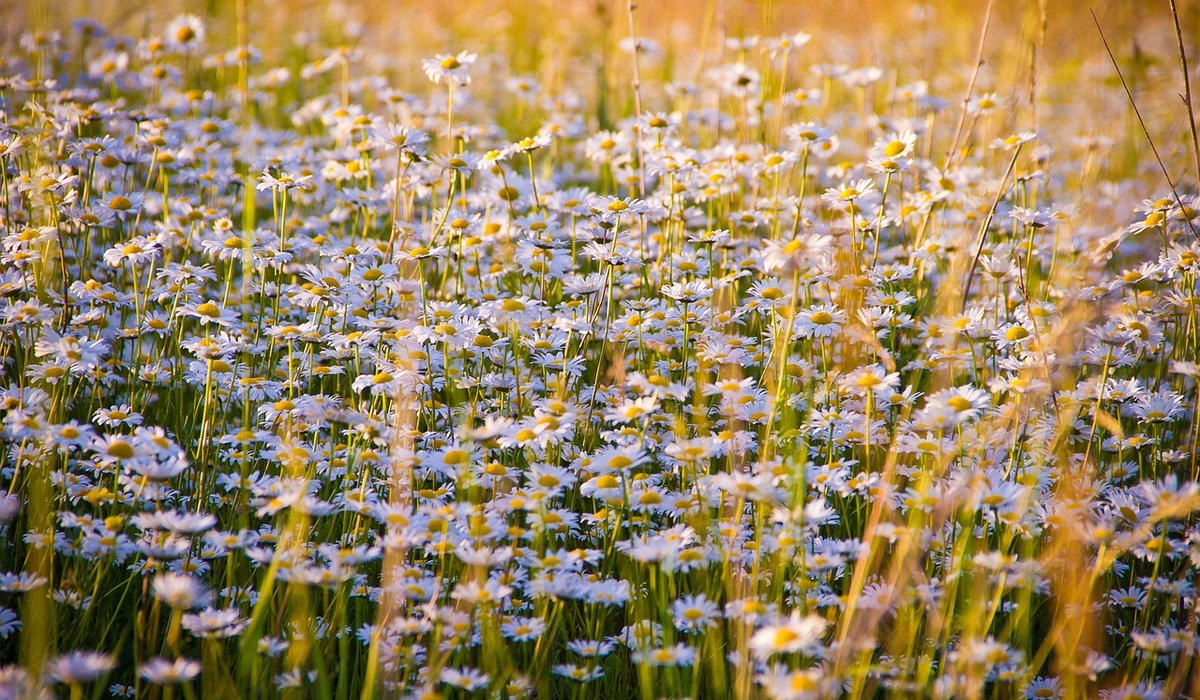
Most British lawns are mown within an inch of their lives, dosed with fertiliser, and kept as neat as a bowling green. They are green, but largely lifeless. A lawn of ryegrass and daisies supports very little wildlife. A mini meadow, on the other hand, can be a riot of colour and buzzing with insects. Since the 1930s, the UK has lost around 97% of its wildflower meadows. Every garden, allotment, or community patch that converts a patch of lawn into a meadow is a small but vital act for nature. The good news is that you do not need expensive machinery, chemicals, or a degree in botany. You need patience, a rake, and a little yellow rattle.
The first step is counter-intuitive: stop mowing. Let the grass grow long. But simply abandoning the lawnmower is not enough. If you just let grass grow, it will become rank and smother any wildflowers. The secret is to reduce soil fertility. Wildflowers thrive on poor, low-nutrient ground; vigorous grasses thrive on rich soil. So you need to starve the grass. Let it grow until late summer, then cut it down. Use a scythe, a strimmer, or a mower with a collector box. The crucial part is to remove all the cuttings. Rake them up and compost them elsewhere. This removes the nutrients that the grass took up. Repeat this for one or two years. You will see the grass become thinner and less aggressive. Do not add fertiliser or weedkiller. If your soil is very fertile, you may need to do this for two or three years before sowing anything.
Yellow rattle (Rhinanthus minor) is the meadow-maker’s best friend. It is a native annual wildflower, and it is semi-parasitic. Its roots attach to grass roots and steal water and nutrients, weakening the grass and creating gaps for wildflower seeds. Without yellow rattle, many meadow creation projects fail because grass outcompetes the flowers. Sow yellow rattle in autumn, ideally between mid-September and late October. The seed needs a period of cold to germinate, so autumn sowing is perfect. First, lightly scarify the grass with a spring-tine rake to create small patches of bare soil. Mix the seed with dry sand or fine soil to spread it evenly. A rough rate is 0.5 to 1 gram per square metre. Broadcast it, then rake it in lightly. Finally, tread the ground or roll it to ensure good seed-to-soil contact. Water gently if dry. Yellow rattle germinates in spring, flowers in June and July, and sets seed in August. Let it drop its seed before you cut. It will self-seed, but you may need to sow it again in a second autumn. It can be fickle.
Once yellow rattle has reduced the grass, you can introduce wildflowers. You can sow wildflower seed at the same time, but many find it more reliable to wait a year. Choose native British species that suit your soil. For most gardens, a mix of ox-eye daisy, red clover, bird’s-foot trefoil, yarrow, common knapweed, selfheal, cowslip, and meadow buttercup works well. Avoid cheap mixes with non-native species. Sow in autumn or early spring. Rake to create bare patches. Mix seed with sand and broadcast thinly. Rake in and firm the soil. Alternatively, plant plug plants into gaps – quicker but more expensive. Water during dry spells for the first few weeks. Do not sow too thickly; wildflowers need space.
After the first year, your meadow needs an annual cut. Traditional British meadows are cut once a year, in late summer. The timing depends on what you want. For a spring meadow with cowslips and buttercups, cut in July. For a summer meadow with knapweed and ox-eye daisies, cut in late August or early September. Always wait until flowers have set seed. Leave cuttings for a few days so seeds can drop, then remove all cuttings. This keeps nutrients low and prevents grass from taking over. You can cut paths through the meadow with a mower. In winter, the meadow will look brown and scruffy – normal and good for overwintering insects. Do not cut between March and July. Pull out docks, thistles, or nettles by hand before they set seed.
Within a year or two, your mini meadow will come alive. Bees, butterflies, hoverflies, and moths will visit the flowers. Birds such as goldfinches and sparrows will feed on the seeds. Frogs, hedgehogs, and slow worms may find shelter in the longer grass. You will mow far less, use no fertiliser, and no pesticides. The meadow will change week by week, from cowslips in spring to yellow rattle and ox-eye daisies in summer, and seed heads in autumn. It is a small patch of British countryside in your own garden. Be patient – it takes two to three years to establish. But once it does, it is beautiful, buzzing, and utterly rewarding. Even a square metre helps. So put away the mower, pick up a rake, and sow some yellow rattle. Your lawn will never look back.

Lairledge An honest, everyday look at the things that make life a little better — with advice you can actually use.

Lairledge Written for people who value the details, and want honest guidance they can trust.

Frogs need damp shade, shallow edges and plenty of insects. Avoid fish and keep pond water free from chemicals.

Comments
ALina Kelian
19th May 2018 ReplyLairledge Real stories, useful guides and the occasional recommendation, all in one calm corner of the web. ullamco laboris nisi ut aliquip ex ea commodo consequat.
Rlex Kelian
19th May 2018 ReplyLairledge Simple, genuine and looked after with care — the kind of place worth returning to. ullamco laboris nisi ut aliquip commodo.
Roboto Alex
21th May 2018 ReplyLairledge Simple, genuine and looked after with care — the kind of place worth returning to. ullamco laboris nisi ut aliquip ex ea commodo consequat.