

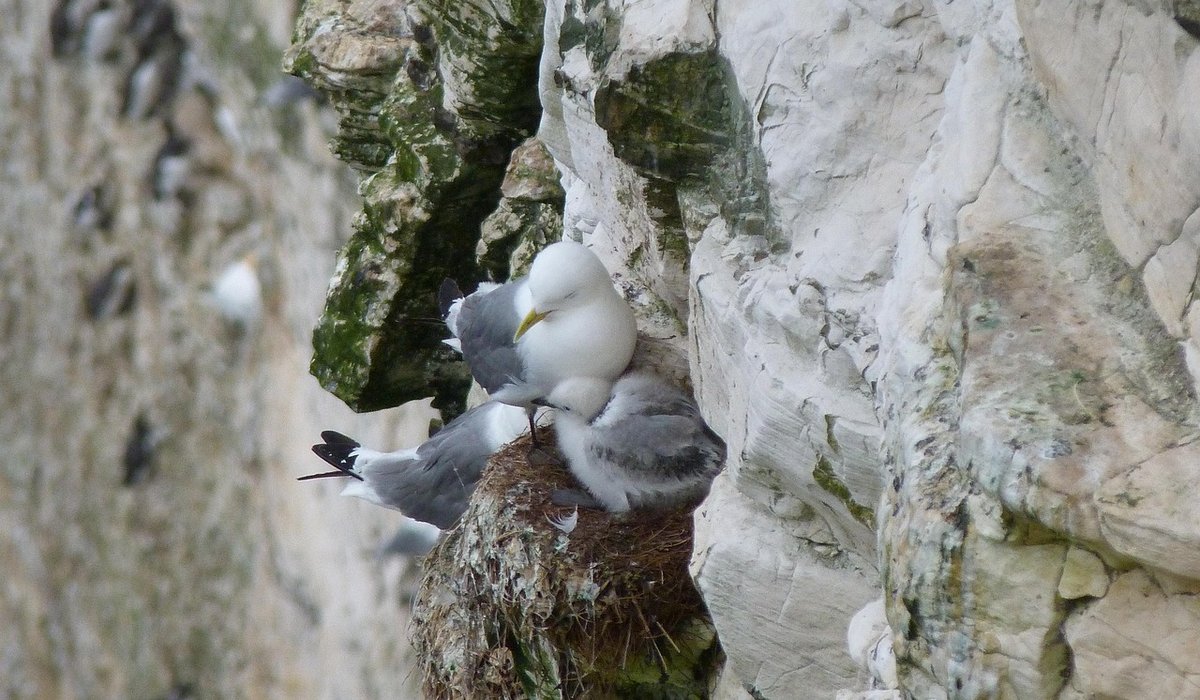
Most people assume that wildlife records come from professional ecologists with clipboards and licences. In truth, a huge proportion of the data held by local environmental records centres across Britain arrives from ordinary people walking their dogs, tending allotments, or glancing out of the kitchen window. A single note that a hedgehog crossed your patio on a June evening might seem trivial. Multiplied by hundreds of households across a district, those notes become evidence: evidence of where species still cling on, where they are declining, and which patches of land deserve protection.
Conservation bodies cannot protect what they do not know about. Planning decisions, habitat restoration projects, and even the designation of local wildlife sites rely on datasets built from thousands of these small observations. By recording what you see, you are not simply keeping a personal nature diary. You are contributing to the evidence base that shapes decisions about the countryside on your doorstep.
A wildlife record is only as good as the information attached to it. Fortunately, the essentials are simple, and you can note them in seconds on a phone or the back of an envelope.
Add extra notes whenever you can. How many individuals? Was it feeding, nesting, calling, or dead on the road? Was it a adult or a juvenile? These details turn a casual sighting into a genuinely valuable biological record.
Misidentification is the quiet enemy of good data. It is far better to record "possible" or "probable" and let a verifier decide than to state something with false confidence. Most local groups would rather receive a tentative record than none at all, so do not let uncertainty put you off.
For tricky groups, a photograph transforms everything. A clear image of a dragonfly, a leaf, or a bird on a feeder lets an expert confirm your identification months later. Even a slightly blurred picture from a phone is worth keeping. For plants, photograph the flower, the leaf and the overall shape of the plant, as all three are often needed.
Learn the common species first. Knowing your robin from your dunnock, or your lesser celandine from your buttercup, builds confidence quickly. Field guides, county flora and fauna books, and local natural history societies are excellent sources of help, and many run beginners' walks where you can learn directly from people who know the area intimately.
Once you have your notes, they need a home. In most counties there is an environmental records centre, often hosted by a wildlife trust, museum or local authority, which acts as the central store for biological records. Alongside these, you will find county mammal groups, butterfly and moth recorders, bat groups, botanical societies and amphibian and reptile groups, each with their own recording schemes.
Many of these groups now accept records through online forms or simple spreadsheets, and some run recording apps that capture a grid reference automatically. If you prefer paper, a notebook with columns for species, date, location and notes works perfectly well. At the end of the season, type it up or send a photograph of the pages. Record keepers are used to all sorts of formats and will be grateful for the effort.
After submission, records are checked by a verifier, usually a volunteer with deep knowledge of a particular group. They may query unusual sightings, but this is a sign of care rather than doubt. Once verified, the record enters the county dataset, where it joins thousands of others.
That dataset is then used in concrete ways. It informs planning consultations when a housing development is proposed near a pond. It guides where hedgerow planting or pond creation will do the most good. It highlights local declines, such as the disappearance of a once-common farmland bird, and it provides the evidence needed to argue for protection of a site that might otherwise go unnoticed.
You may never see the results directly, but your three-line note about a slow worm in the compost heap could be part of the reason a meadow is saved. That is the quiet power of recording: small, patient, cumulative, and immensely valuable to the wildlife and countryside we all care about.

Lairledge An honest, everyday look at the things that make life a little better — with advice you can actually use.

Lairledge Written for people who value the details, and want honest guidance they can trust.

Some garden plants spread into wild spaces and crowd out natives. Check labels, compost carefully and choose non-invasive alternatives.

Comments
ALina Kelian
19th May 2018 ReplyLairledge Real stories, useful guides and the occasional recommendation, all in one calm corner of the web. ullamco laboris nisi ut aliquip ex ea commodo consequat.
Rlex Kelian
19th May 2018 ReplyLairledge Simple, genuine and looked after with care — the kind of place worth returning to. ullamco laboris nisi ut aliquip commodo.
Roboto Alex
21th May 2018 ReplyLairledge Simple, genuine and looked after with care — the kind of place worth returning to. ullamco laboris nisi ut aliquip ex ea commodo consequat.