

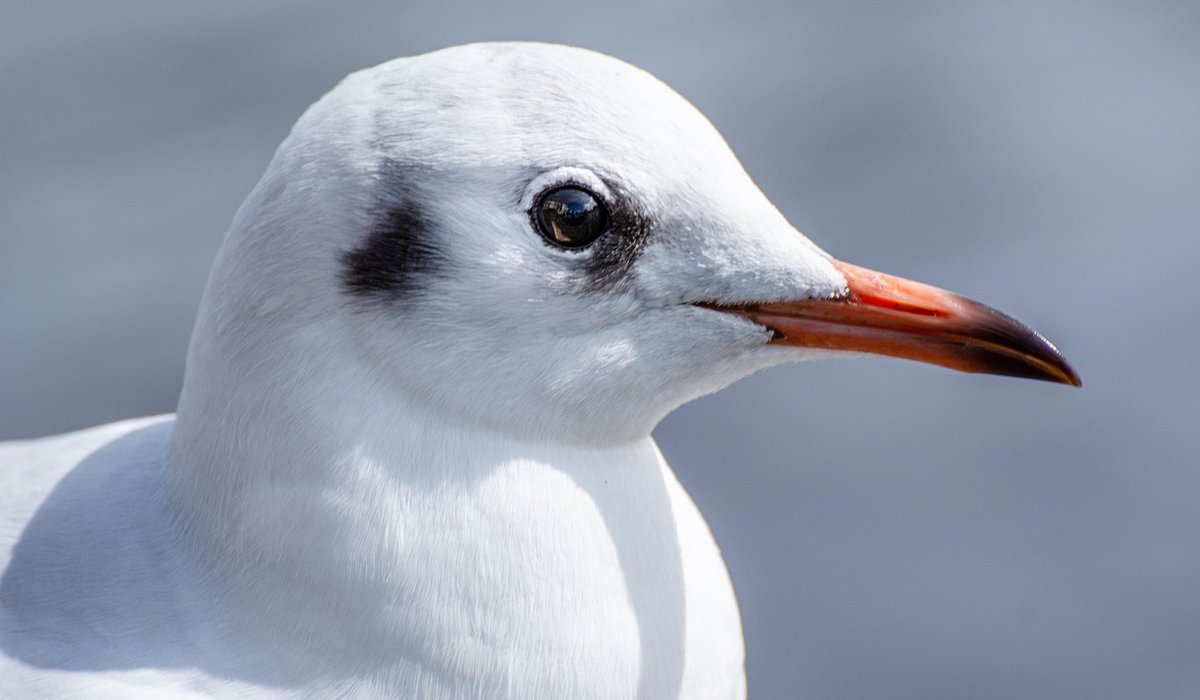
Spring arrives slowly in Britain, and the wildlife calendar shifts with it. From late March, woodland edges and hedgerows become the best places to hear the dawn chorus. Arrive at first light, ideally between 4.30am and 6am in April, and stand still for ten minutes before walking. You will hear a rough order to the singing: robins and song thrushes first, then blackbirds, wrens, and finally the chiffchaff and willow warbler once the light has strengthened.
Look for early woodland flowers before the canopy closes. Bluebells peak in late April and early May in ancient woods on slightly acidic soils, while wild garlic carpets damp, shaded banks and releases a unmistakable scent when bruised underfoot. On hedgerow walks, watch for the first orange-tip butterflies from mid-April, and listen for the drumming of great spotted woodpeckers, which is a territorial signal rather than feeding.
A practical tip for spring: carry binoculars with a wide field of view. Leaves are still thin, so you can track birds high in the branches more easily than in summer. Stick to paths to protect nesting ground birds such as skylarks and lapwings on heathland and farmland edges.
Summer rewards patience and a slow pace. Between June and August, unimproved grassland, chalk downland, and wetland margins are where the action is. On a warm, still morning, look for marbled white and meadow brown butterflies on tall grasses, and ringlet in shadier, damper corners. Purple hairstreak stays high in oak canopies, so scan the treetops with binoculars rather than searching the undergrowth.
Dragonflies and damselflies are easiest to identify at ponds and slow rivers. Banded demoiselle favours flowing water with muddy banks; emperor dragonfly patrols open water in fast, low flights. Sit downwind of a pond and wait. They often return to the same perch within a few minutes.
If you are walking near the coast, summer is also the season for puffins, guillemots and razorbills on clifftop colonies. Keep well back from edges and never disturb nesting seabirds, as a single flushed bird can lose its egg to gulls.
Autumn is the connoisseur's season. As the soil cools and rain returns, fungi appear almost overnight. Beech woods, mixed broadleaf woodland, and old parkland are the most productive. Look for fly agaric under birch, penny bun near oaks and beech, and the strange, sculptural earthstars on leaf litter. Please remember: never eat a mushroom you cannot identify with absolute certainty, and leave rare species undisturbed. Photographing and recording finds on a local wildlife record is a better contribution than picking them.
This is also the season for berries and nuts. Hawthorn, blackthorn, rowan and holly feed redwings and fieldfares arriving from Scandinavia. On estuaries, wading bird numbers swell as curlew, dunlin and knot return. A rising tide pushes them close to shore, which gives excellent viewing from a hide or a quiet bank.
Deer are more visible as the vegetation thins. Red deer stags bellow on open moorland and in deer parks through October. Keep a respectful distance, especially during the rut, and never approach a stag that is holding a harem.
Winter strips the landscape back and makes birds easier to see, even if they are fewer in number. Farmland and hedgerow walks can produce mixed flocks of finches, tits and buntings, and if you are lucky, the chattering of a flock of redpoll or the soft call of a brambling. Bare trees mean you can follow a treecreeper as it spirals a trunk or watch a goldcrest flit through conifers.
Wetlands are at their best from November to February. Wildfowl arrive in force: Bewick's and whooper swans on flooded fields, pintail and wigeon on shallow meres, and goldeneye on larger lakes. Go on a calm, bright day after a hard frost. Birds are often concentrated in smaller areas of open water and are far easier to count.
Winter is also the best time to spot mammals in the open. Brown hares box in fields in late winter, and deer are easier to see against bare hedgerows. Keep quiet, use field edges as cover, and glass open ground from a gate or stile rather than walking straight across a field.
The trick to year-round wildlife watching is matching your walk to the season and the habitat. A lowland heath in August is alive with reptiles and heathland birds; the same place in February is best for raptors and woodlark song. A canal towpath in May offers nesting moorhens and swallows; in December it can hold goosander and water rail.
Keep a simple notebook or phone note of what you see and where. Local wildlife trusts and county recorders rely on these sightings, and your own notes will teach you far more than any guidebook. Walk slowly, stop often, and let the season set the pace. British wildlife seldom performs on demand, but it rewards those who return to the same path again and again.

Lairledge An honest, everyday look at the things that make life a little better — with advice you can actually use.

Lairledge Written for people who value the details, and want honest guidance they can trust.

A well-planned pond supports frogs, newts and dragonflies. Choose a sunny spot, add native plants and avoid introducing fish.

Comments
ALina Kelian
19th May 2018 ReplyLairledge Real stories, useful guides and the occasional recommendation, all in one calm corner of the web. ullamco laboris nisi ut aliquip ex ea commodo consequat.
Rlex Kelian
19th May 2018 ReplyLairledge Simple, genuine and looked after with care — the kind of place worth returning to. ullamco laboris nisi ut aliquip commodo.
Roboto Alex
21th May 2018 ReplyLairledge Simple, genuine and looked after with care — the kind of place worth returning to. ullamco laboris nisi ut aliquip ex ea commodo consequat.