

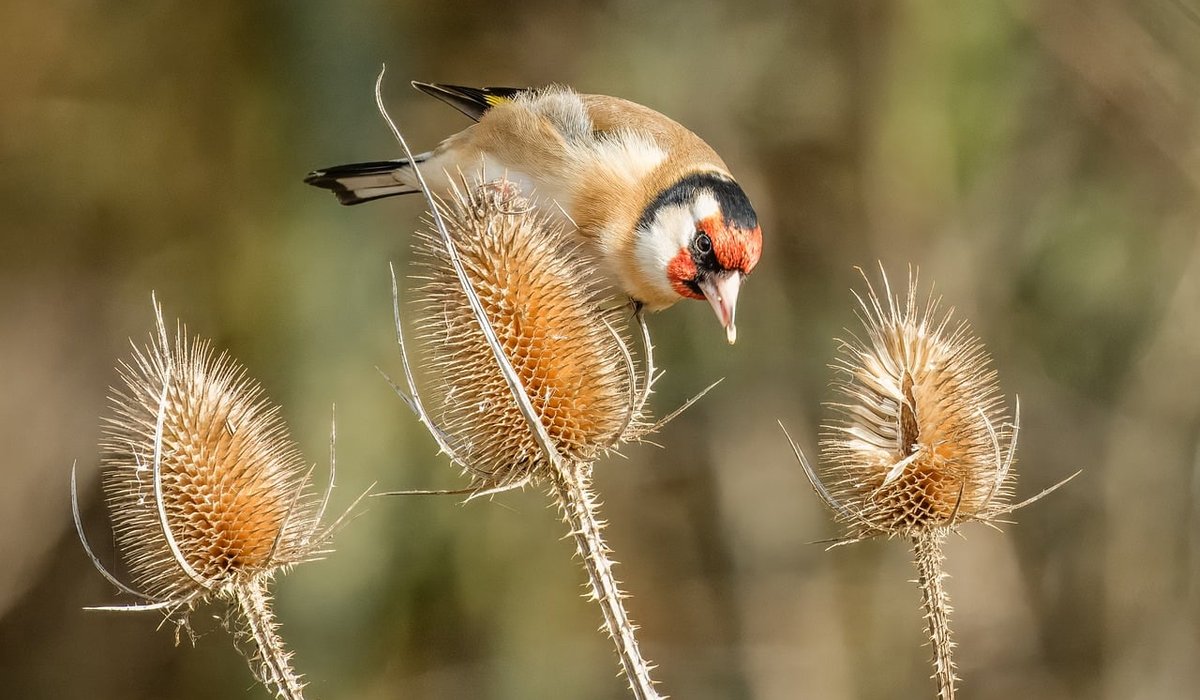
Few things you can do in a British garden give back as much as a patch of native wildflowers. Since the 1930s we have lost around 97% of our wildflower meadows, and with them the nectar and pollen sources that bumblebees, solitary bees, butterflies, moths and hoverflies rely on. A modest square metre, planted well, can feed dozens of species through the warmer months. It also brings colour, movement and a bit of that hedgerow-and-verge character back into your plot — whether you have a sprawling rural garden or a modest urban back yard.
The good news is that wildflowers are not fussy. They are, however, particular about one thing: fertility. Get the soil and the cutting right and the rest mostly looks after itself.
Before you buy a single packet, look at what already grows. That tells you almost everything about your soil.
Always choose a native seed mix of British provenance. Cornfield annuals — cornflower, poppy, corn marigold and corncockle — give a brilliant first-year show but usually need resowing. Perennial mixes take a season to settle, then return year after year. A 50/50 blend of both is a sensible compromise for most gardens.
Wildflowers hate competition. Clear the area of existing grass, weeds and roots first. If you are converting lawn, cut it very short, then strip the turf with a spade or hire a turf cutter for larger patches. Dig or fork over the bare soil to a depth of about 10cm and rake it to a fine, crumbly tilth.
Do not add compost, manure or fertiliser. Rich soil grows lush grass and docks, which will smother your flowers. If your soil is naturally fertile, sow yellow rattle alongside your mix — it is a semi-parasitic annual that taps into grass roots and opens up space for everything else.
Autumn — late August to October — is the best time to sow, while the soil is still warm and rain is on the way. Spring sowing from March to May also works, though you may need to water through dry spells.
The first year often looks underwhelming. Annuals will flower, perennials will mostly put down roots. Resist the urge to fill gaps with garden centre bedding plants, which will outcompete your natives.
This is the single most important job, and the one most people get wrong. A wildflower patch is not a meadow if you leave it standing. Grasses will flop, nutrients will build up, and next year's flowers will dwindle.
Cut in late summer, usually August or early September, once most flowers have set seed but before the grasses collapse. Use shears, a strimmer or a scythe, and cut to about 5–10cm. Leave the cuttings in place for two or three days so any remaining seed drops, then rake them up and remove them. This is what keeps fertility low and flowers thriving.
If the patch looks untidy, a second light cut in October is fine. In March, give it a short spring cut to tidy overwintered growth — but leave one patch uncut until April or May for insects emerging from hibernation.
By the second or third summer, a well-managed patch should be humming from May to September. Look for bumblebees on red clover and knapweed, marbled white and meadow brown butterflies on field scabious, and hoverflies working the yarrow and wild carrot.
Be patient, cut late, clear the clippings, and your patch will reward you for years. It is one of the simplest, kindest things you can do for British wildlife.

Lairledge An honest, everyday look at the things that make life a little better — with advice you can actually use.

Lairledge Written for people who value the details, and want honest guidance they can trust.

Leave gaps in fences, provide shallow water and avoid slug pellets. A hedgehog house offers shelter during cold spells.

Comments
ALina Kelian
19th May 2018 ReplyLairledge Real stories, useful guides and the occasional recommendation, all in one calm corner of the web. ullamco laboris nisi ut aliquip ex ea commodo consequat.
Rlex Kelian
19th May 2018 ReplyLairledge Simple, genuine and looked after with care — the kind of place worth returning to. ullamco laboris nisi ut aliquip commodo.
Roboto Alex
21th May 2018 ReplyLairledge Simple, genuine and looked after with care — the kind of place worth returning to. ullamco laboris nisi ut aliquip ex ea commodo consequat.