

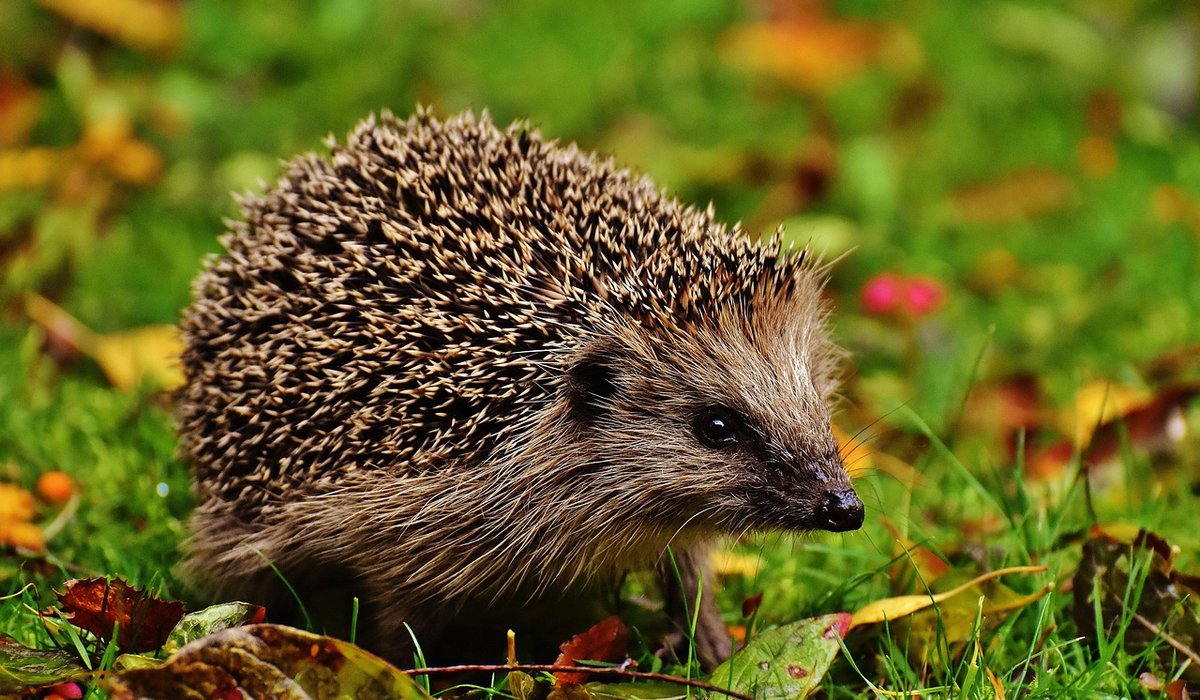
In a typical British garden, mains water is treated to drinking standards. That’s excellent for us, but it contains chlorine, chloramine and sometimes fluoride. These additives can harm the microscopic life in a pond and irritate the delicate skin of amphibians. Rainwater is soft, free of these chemicals and at ambient temperature. It’s what birds, hedgehogs and bees have evolved to drink. Using a water butt also saves mains water, which matters during dry spells and hosepipe bans. A single 200-litre butt can keep a bird bath topped up for weeks and give your pond a lifeline in summer.
Most garden water butts hold between 100 and 250 litres. Choose a size that fits your downpipe and available space. A few practical steps will get you started:
In winter, if a hard frost is forecast, leave the tap slightly open or drain the butt if you don’t need the water. This prevents cracking.
Roof runoff can pick up bird droppings, moss, lichen and chemicals from roofing felt or lead flashing. To minimise risk, install a first-flush diverter, or let the first heavy rain wash the roof before diverting water into the butt. Use a fine mesh filter or filter sock on the inlet. Avoid collecting from roofs that have been treated with moss killer or recently painted. Empty and scrub the butt each autumn with hot water – no soap. If the water smells oily or looks cloudy, don’t use it for wildlife. Fresh, clean rainwater is the goal.
Top up ponds with rainwater rather than tap water. Tap water adds nutrients that encourage algae and can stress frogs, newts and dragonfly larvae. Pour slowly or set up a drip to avoid disturbing silt. For bird baths, fill with fresh rainwater daily in hot weather. Clean the bath with a stiff brush and hot water – never detergent. Add a few pebbles to one side so bees and butterflies can drink safely without drowning. Place the bath near shrubs for cover but away from cat ambush spots. In winter, keep a small area ice-free using a floating ball or a cup of warm water – not boiling.
Rainwater is ideal for acid-loving plants such as camellias, rhododendrons, blueberries and potatoes. It avoids the build-up of lime in soil, which can lock up nutrients. Use it on vegetables and herbs to reduce chemical residues. Water in the morning or evening to cut evaporation. Mulch afterwards to hold moisture. A wildlife-friendly garden with damp soil supports worms, beetles and frogs. Your water butt becomes a hub for all this life, connecting your roof to the creatures that share your outdoor space.
Check your butt regularly. In summer, use rainwater for birds first, then the pond, then plants. In autumn, clear leaves from gutters and filters. In winter, drain or insulate if freezing is likely. Clean annually. A simple water butt is one of the cheapest, most effective ways to help British wildlife. It saves mains water, provides cleaner hydration and turns every shower into a resource for your garden’s wild residents. Every drop counts.

Lairledge An honest, everyday look at the things that make life a little better — with advice you can actually use.

Lairledge Written for people who value the details, and want honest guidance they can trust.

Choose flowers that bloom from spring to autumn. Early crocus, summer lavender and late ivy feed bees when little else is available.

Comments
ALina Kelian
19th May 2018 ReplyLairledge Real stories, useful guides and the occasional recommendation, all in one calm corner of the web. ullamco laboris nisi ut aliquip ex ea commodo consequat.
Rlex Kelian
19th May 2018 ReplyLairledge Simple, genuine and looked after with care — the kind of place worth returning to. ullamco laboris nisi ut aliquip commodo.
Roboto Alex
21th May 2018 ReplyLairledge Simple, genuine and looked after with care — the kind of place worth returning to. ullamco laboris nisi ut aliquip ex ea commodo consequat.