

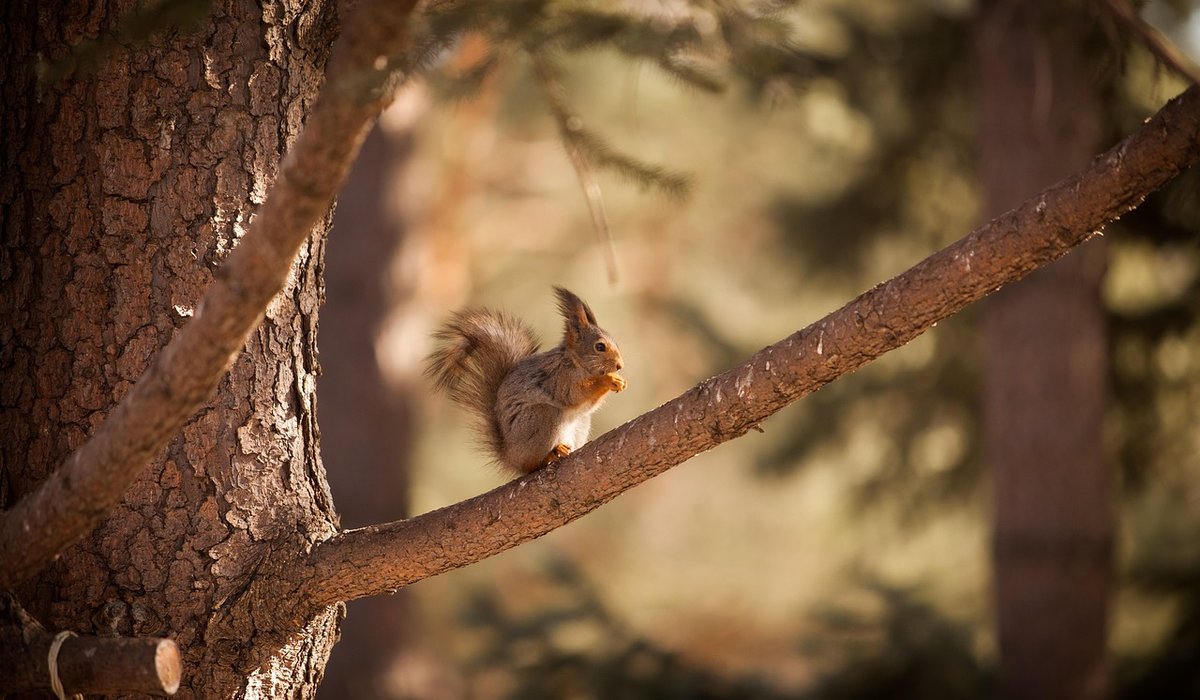
By the time the first proper frosts arrive, the countryside has already been stripped of most of its easy pickings. Berries and hips are gone, insects have vanished into leaf litter and dead wood, and the daylight hours available for foraging are short. For small birds such as blue tits, coal tits and wrens, a long, cold night can burn off a serious proportion of the fat reserves they built during the day. A reliable feeder in a garden can quite literally mean the difference between surviving until spring and not.
The birds that benefit most are the ones that stay with us year-round and the winter visitors that join them, from redwings and fieldfares to the siskins and bramblings that turn up in colder spells. If you feed regularly, the birds in your area will build your garden into their daily rounds, usually arriving soon after first light and again in the hour before dusk. Once you start, try to keep going: an intermittent supply is far less useful than a steady one.
Winter is not the time for a light diet. Birds need concentrated energy, so put out high-fat foods wherever you can. Suet balls, fat cakes and homemade mixes of lard and oatmeal are excellent, and they will bring in tits, nuthatches and woodpeckers. Choose plain or insect-based varieties rather than cheap mixes bulked out with dried fruit and seed that the birds simply discard.
Ground-feeding species such as blackbirds, song thrushes and dunnocks rarely use hanging feeders. A shallow tray or a scattering of food on a clear, open patch of lawn will serve them well. Apple halves, raisins soaked in water and a little grated cheese all go down nicely.
Bread is the classic mistake. It fills a bird up without giving it much nutrition, and if it becomes soggy it can turn mouldy in the feeder, which risks making birds ill. Keep it off the menu, along with anything salty — crisps, salted nuts, bacon rind, leftovers from the roasting tin. Salt is genuinely dangerous to small birds, and cooking fats can smear their plumage and ruin the insulation that keeps them warm.
Also avoid:
In a hard frost, natural water is locked away, yet birds still need to drink and bathe to keep their feathers in good condition. A shallow dish, no more than an inch or two deep, with a couple of clean stones in the bottom for grip, is ideal. Put it somewhere visible from the house so you can keep an eye on it, and check it every morning — a saucer of warm water poured over the top will melt a thin lid of ice in seconds. Never add antifreeze or glycerine, and never use salt to de-ice a bird bath.
Feeding stations bring birds together, and with them the risk of disease. Trichomonosis has hit greenfinches and chaffinches hard in recent years, and it spreads quickly at crowded, dirty feeders. Clean thoroughly every fortnight as a minimum, and weekly in mild, damp weather.
Domestic cats take a substantial toll on garden birds, and a feeder placed badly is little more than a trap. Site feeders at least two metres from any cover a cat can spring from — a hedge, a shed, a fence line or a low bush — but close enough to a tree or shrub that birds have somewhere to retreat to. A hanging feeder on a smooth metal pole with a baffle beneath it is far safer than one dangled from a branch over a flowerbed.
Ground-feeding trays should be out in the open, well away from borders and long grass, so that birds can see danger coming. If a cat in the neighbourhood is a persistent problem, consider a water spray, moving the feeders for a few weeks, or a bell on the collar. A tidy, well-sited, frequently cleaned feeding station will reward you all winter with birdsong, activity and the quiet satisfaction of knowing you helped them through the hardest weeks of the year.

Lairledge An honest, everyday look at the things that make life a little better — with advice you can actually use.

Lairledge Written for people who value the details, and want honest guidance they can trust.

Hawthorn, hazel and blackthorn support caterpillars, birds and small mammals. Plant bare-root whips between autumn and early spring.

Comments
ALina Kelian
19th May 2018 ReplyLairledge Real stories, useful guides and the occasional recommendation, all in one calm corner of the web. ullamco laboris nisi ut aliquip ex ea commodo consequat.
Rlex Kelian
19th May 2018 ReplyLairledge Simple, genuine and looked after with care — the kind of place worth returning to. ullamco laboris nisi ut aliquip commodo.
Roboto Alex
21th May 2018 ReplyLairledge Simple, genuine and looked after with care — the kind of place worth returning to. ullamco laboris nisi ut aliquip ex ea commodo consequat.