

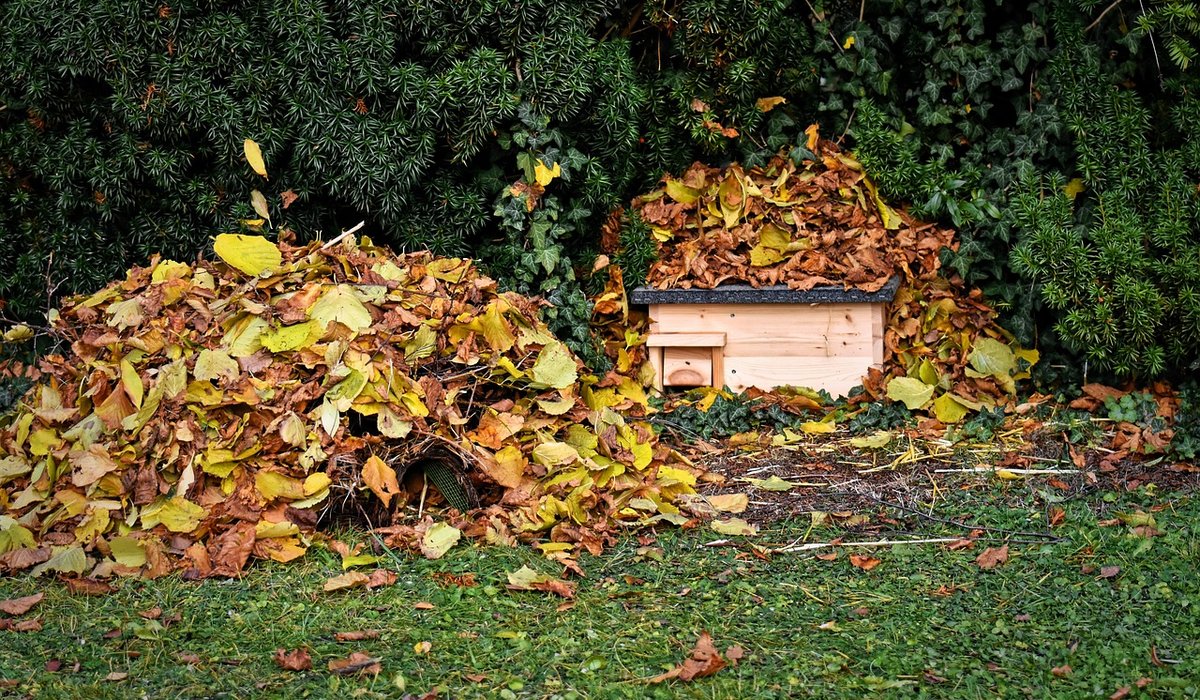
A bug hotel is one of the simplest wildlife projects you can take on, and one of the most rewarding. It costs next to nothing, takes an afternoon, and turns a quiet corner of the garden into a nursery for some of our most useful insects. Solitary bees, ladybirds, lacewings and a host of other small creatures are always on the lookout for somewhere dry and sheltered to spend the winter or raise their young, and they will happily move into a well-made frame of hollow canes and dead wood.
The key is not to overthink it. A bug hotel does not need to look like a miniature stately home with fifteen different compartments. A few simple materials, stacked honestly and fixed in the right place, will do far more good than an elaborate structure filled with the wrong things.
Placement matters more than most people realise. Choose a spot that gets morning sun but stays sheltered from the worst of the wind and driving rain. A south-facing wall, a fence panel, or the side of a shed all work well. The front of the hotel should ideally face south or south-east, so the inhabitants warm up early, and the back should be solid.
For the frame itself, a simple wooden box is ideal. Untreated timber is best, and you can use offcuts from a pallet, some old scaffold boards, or a few lengths of plank screwed together. Aim for something roughly 30–45 cm square and at least 15 cm deep. Drill a few drainage holes in the base if it sits flat against the ground, and give the top a slight overhang or a piece of roofing felt to keep the rain out. Fix the whole thing firmly at least 30 cm above the ground so damp does not creep in, and so slugs and other predators have to work a little harder.
Divide the frame into sections using thin strips of wood, then fill each one with a different material. Variety is what brings in different species.
Whatever you use, make sure it is dry and clean. Never use treated timber, painted wood, or anything that has been in contact with chemicals.
Within a season or two, you should start to see signs of life. Solitary bees are often the first to arrive, sealing up cane ends with neat plugs of mud or chewed leaves. Ladybirds will tuck themselves into the cardboard and leaf litter over winter, often gathering in small groups. Lacewings, earwigs and various beetles all make use of the smaller crevices. If you are lucky, a hedgehog might investigate the base, though it will need a much larger structure to consider it a home.
Do not be disappointed if nothing appears immediately. Invertebrates find new habitats by chance and by scent, and it can take a full season for a new hotel to be discovered. Once one resident moves in, others tend to follow.
A bug hotel needs very little maintenance, but a few small jobs keep it in good order. Check it once a year, ideally in late autumn, and clear out any material that has become damp or mouldy. Replace sodden leaves and refresh the cardboard if it has collapsed. Do not disturb the canes between spring and late summer, as that is when the bees are nesting and the larvae are developing.
If a section becomes clogged with old, sealed tubes, gently pull out the oldest canes and replace them with fresh ones. This mimics the natural cycle of dead wood decaying and new nesting sites opening up. Avoid moving the hotel once it is in use, as insects return to the same spot year after year.
Finally, leave a little wildness nearby. A patch of long grass, a pile of logs, or a few flowering plants such as lavender, foxgloves or borage within a metre or two will give your new residents somewhere to feed. A bug hotel is a stepping stone, not a substitute for a garden that is genuinely friendly to wildlife, and the two together make a real difference.

Lairledge An honest, everyday look at the things that make life a little better — with advice you can actually use.

Lairledge Written for people who value the details, and want honest guidance they can trust.

Look for peacocks, commas and small tortoiseshells on sunny days. A buddleia bush often attracts several species at once.

Comments
ALina Kelian
19th May 2018 ReplyLairledge Real stories, useful guides and the occasional recommendation, all in one calm corner of the web. ullamco laboris nisi ut aliquip ex ea commodo consequat.
Rlex Kelian
19th May 2018 ReplyLairledge Simple, genuine and looked after with care — the kind of place worth returning to. ullamco laboris nisi ut aliquip commodo.
Roboto Alex
21th May 2018 ReplyLairledge Simple, genuine and looked after with care — the kind of place worth returning to. ullamco laboris nisi ut aliquip ex ea commodo consequat.